Chapter 6 · Leading Deals
Leading a Deal End to End
Supporting a deal and leading one are different jobs. The lead finds or wins the company, builds the partnership's conviction, sets the terms, coordinates the other investors and gets the round closed, then owns the relationship for years. This module walks through that sequence: getting to conviction early, pre-wiring the partnership before IC, what founders weigh when several firms want in, what you can actually control in a competitive process, and the mechanics of running a round as lead. The goal is to be the person a partner trusts to take a deal from first meeting to wire.
Supporting vs. leading
As an associate, you make a partner's decision better. As a lead, the decision is yours to bring, and so is everything around it.
| The lead... | In practice |
|---|---|
| Finds or wins the company | You sourced it, or you won it against other firms |
| Builds conviction | Your partners vote yes because of work you did and a case you made |
| Sets the terms | Price, structure, board, the term sheet |
| Coordinates the round | Other investors, allocations, the closing process |
| Owns the relationship | The board or observer seat, for years |
At most firms, the lead's name is also the one attached to the deal in the firm's track record, and in any future partnership conversation (module 6.5).
Getting to conviction early
The lead's real edge is time. By the time a round is competitive, the investors who win have usually formed a view weeks or months earlier. They met the founder before the raise, tracked the company, and did the thinking on the market (module 6.4). A process that starts at the pitch meeting is already behind.
The practical version: keep a short list of companies you'd lead if they raised tomorrow, stay in touch with those founders without asking for anything, and know what you'd need to believe to say yes.
Pre-wiring the partnership
Investment committee should rarely be where your partners first hear about a deal. Leads who get to yes bring the key partners in early: a short note after the first meeting, a partner on the second call, the biggest risk raised by you before someone else raises it. By the time IC meets, the questions are known and the memo answers them.
IC is for testing the case, not introducing it. If a deal would surprise the room, it isn't ready.
What founders weigh
When more than one firm wants in, founders are choosing a partner for a decade, not just a price. The usual factors:
- Conviction and speed. Who understood the business fastest, and who can commit without dragging the process out.
- The individual partner. Who will sit on the board, and what they're like to work with.
- References. Founders call your other founders, including the ones whose companies didn't work out. Back-channel diligence runs both ways.
- Relevance. Sector knowledge, customers, a network that matters to this company.
- Terms. Price matters, but so do board composition, pro rata and the control provisions (module 3.1).
- Follow-on capacity. Whether you can support the next round, including through a hard patch.
What you can control in a competitive round
You can't control the other firms. You can control:
- Speed with substance. Move fast, but show your work. A founder should leave every meeting feeling understood.
- A specific "why us." Not a list of services. What you'd actually do in the next 18 months, and who you'd introduce them to.
- Clean terms. A simple term sheet close to market norms signals you won't fight about the small things.
- Your references. The founders you've backed are your pitch. Treat every one of them as if a future founder will call them, because one will.
- Your discipline. Know your walk-away price before the process starts. Losing a deal on price is sometimes the right outcome (module 6.2).
Running the round as lead
Once the founder signs your term sheet, the lead does most of the work of getting to a close:
- Confirmatory diligence. Legal, financial and technical checks on what you were told.
- Syndicate. Deciding, with the founder, who else participates and at what size.
- Documents. Your counsel and the company's negotiate the definitive agreements, usually starting from the NVCA forms in the US or the CVCA forms in Canada.
- Closing. Board and shareholder approvals, an updated cap table, wires.
The term sheet usually includes an exclusivity ("no-shop") period to get this done. A long, unexplained delay after a signed term sheet is a bad sign for everyone.
Worked example — a pre-IC checklist
| Question | Where the answer lives |
|---|---|
| If this works, can it return the fund? | Ownership and exit math (module 6.2) |
| What has to be true, and what's the evidence for each? | The memo and diligence notes |
| What's the biggest risk, and who raised it first? | You, before IC |
| What are we paying, and what's our walk-away? | Term sheet and pricing notes |
| How much are we reserving for this company? | The reserve plan (module 5.2) |
| Who takes the board seat, and do they have room? | Partner time and board count (module 6.3) |
What this means for you
Leading is a skill you build before your title says you can. Ask to run the process on a deal a partner is sponsoring: the founder communication, the IC preparation, the first draft of the term sheet. When the time comes to lead on your own, you'll have done every step at least once.
Resources
Both Sides of the Table ↗
Suster on how partnerships really decide, from someone who has sat on both sides of the pitch.
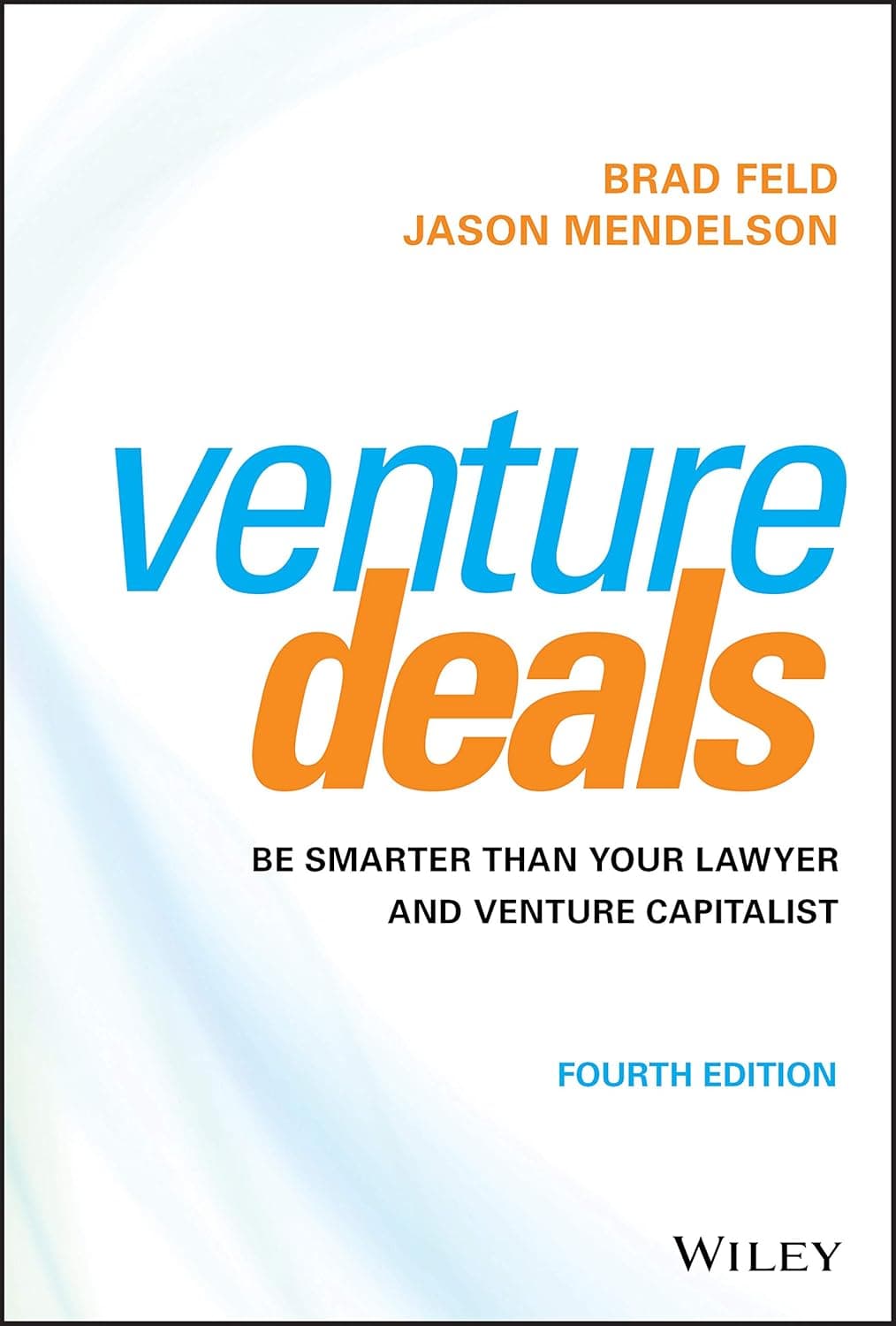
Venture Deals
The negotiation chapters are the most practical writing there is on setting terms as a lead.
For Fundraising, Seed is No Longer a Round, It's a Phase ↗
Why seed became a phase rather than a single round, and what that means for how a lead backs a company.
Venture financing data ↗
How often each term shows up in real rounds. Check here before you tell a founder a term is "standard."
Model Legal Documents ↗
The Canadian starting documents for a round you lead. Know what's in them before counsel sends the first draft.
Go Deeper
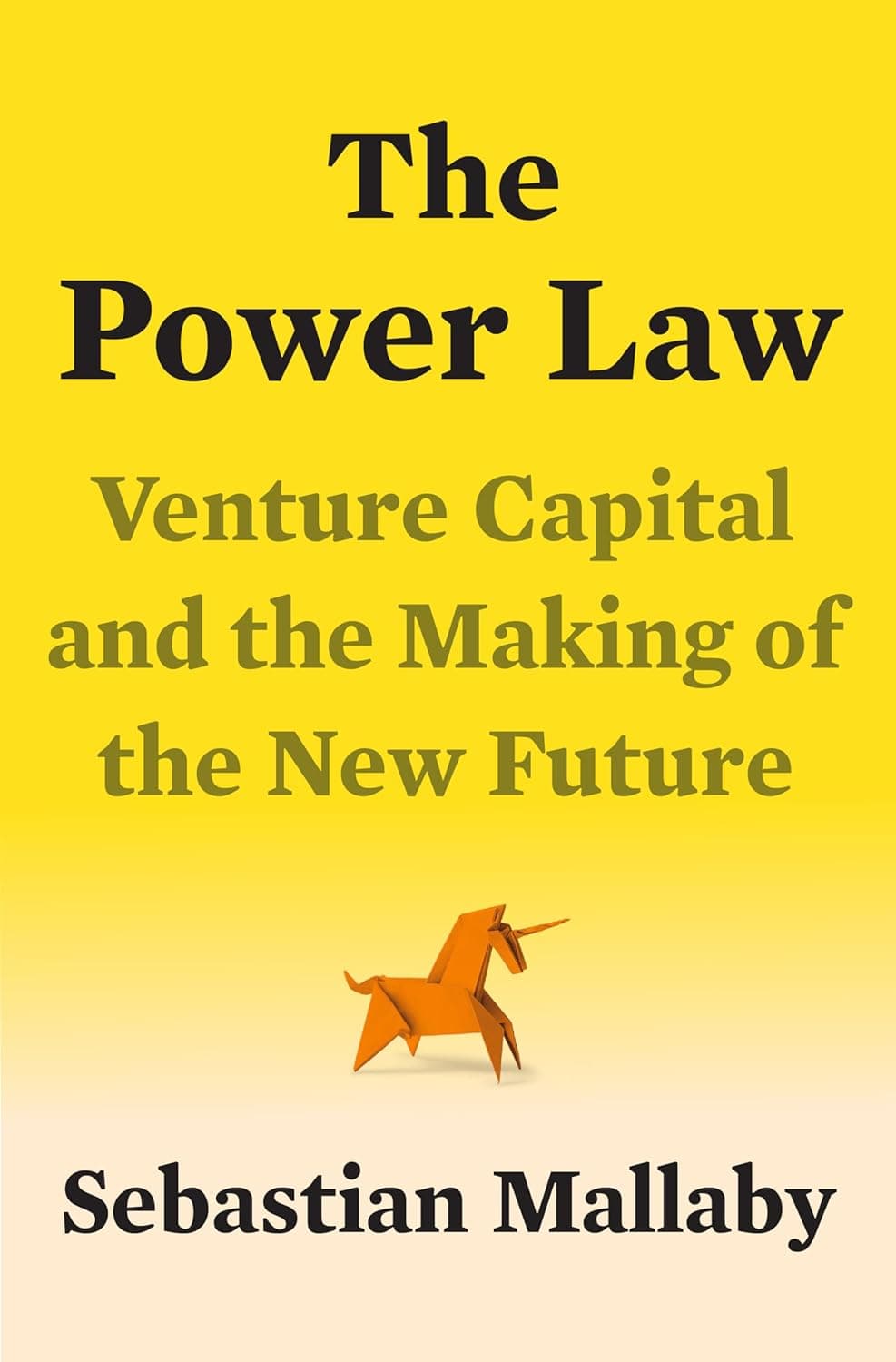
The Power Law
Mallaby's history of venture is full of deals won and lost on conviction and speed. The best long-form account of how leads actually compete.